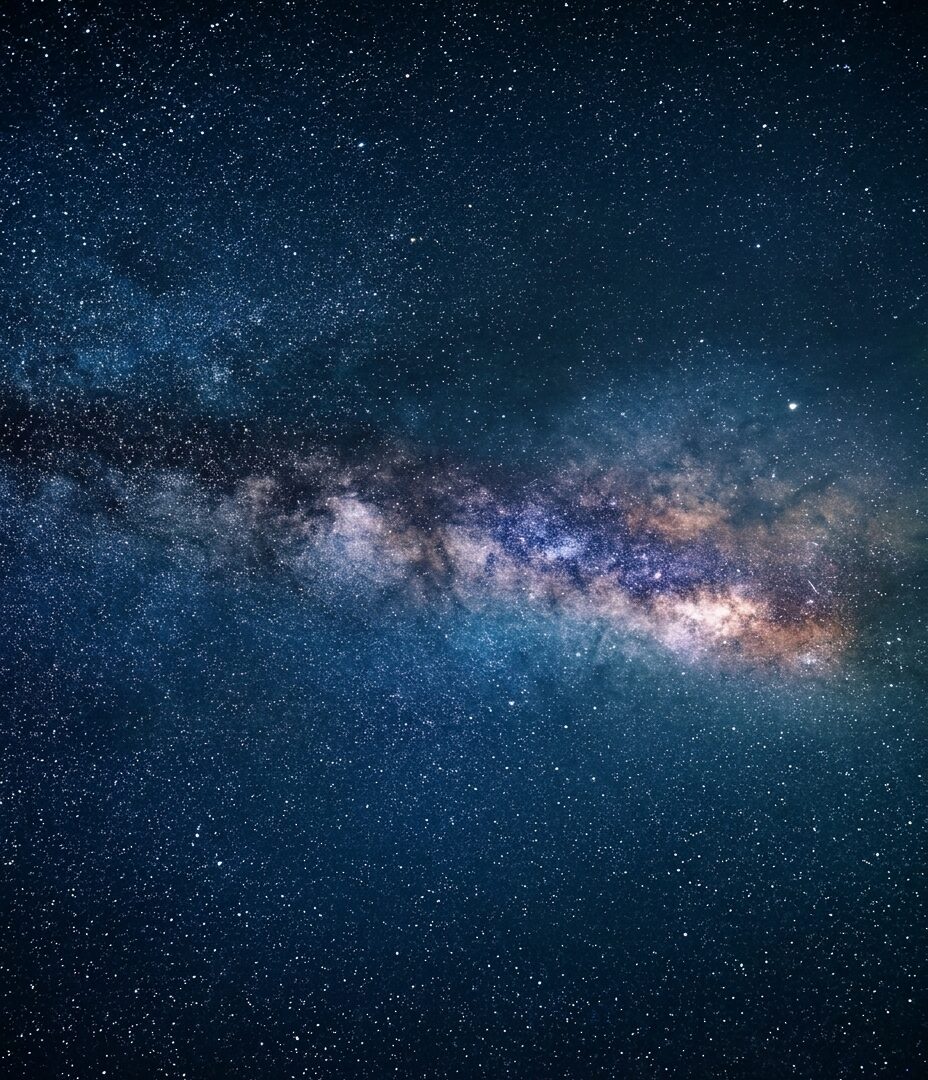

Why Late Fall and Winter Offer Some of the Best Stargazing of the Year
When most people think of stargazing, they picture warm July evenings, lawn chairs, and mid-summer meteor showers.But ask any astronomer, dark-sky guide, or seasoned skywatcher, and they will tell you: November, December, and January are also excellent months for Stargazing.
If you have been holding off on hosting an evening event until summer returns, you are missing out on the Winter celestial show. Here is why the late fall and winter months are an excellent time for booking a private star party —and what you can expect to see through the eyepiece.
Longer, Darker Nights (No Need to Stay Up Until Midnight)
During the summer solstice, true darkness doesn’t arrive until nearly 10:00 PM. In the winter, the sun sets early, allowing dark skies as early as 7:00 PM.
The early darkness provides two huge advantages:
- Family-Friendly Hours: You can enjoy deep-space viewing with kids, dinner guests, or corporate groups and still finish at a comfortable hour.
- Superior Contrast: With longer stretches of true astronomical night, deep-sky targets like faint nebulae and distant galaxies pop with far more contrast against a velvet-black backdrop.
Crisp, Stable Air Means Razor-Sharp Planetary Views
Summer heat radiates off the ground all night long, creating atmospheric turbulence—the shimmering effect you see over hot asphalt. When viewed through a high-magnification telescope, this thermal churning makes stars look like fuzzy blobs and blurs planetary details.
Winter air operates differently:
- Lower Moisture: Cold air holds far less water vapor than humid summer air, eliminating the atmospheric haze that washes out fine details.
- Thermal Stability: Winter ground temperatures cool off quickly, resulting in steady, crisp air. This stability gives you pin-sharp views of Saturn’s rings, Jupiter’s atmospheric cloud bands, and crisp craters along the lunar terminator.
What We’ll See at Your Star Party
Marin and Sonoma County offer unique geography for astronomical viewing, and the winter months brings out the crown jewels of the night sky:
- The Orion Nebula (M42): Located just below Orion’s Belt, this massive stellar nursery glows with luminous detail.Through our professional-grade telescopes, you can easily spot the tight cluster of newborn stars known as the Trapezium at its core.
- The Pleiades / Seven Sisters (M45): Sitting high overhead in Taurus, this open cluster looks like a handful of sparkling diamonds resting on black velvet.
- The Andromeda Galaxy (M31): Positioned high above horizon haze during late fall and winter, this island universe of over 1 trillion stars is located 2.5 million light-years away—the most distant object you can see with the naked eye.
- Solar System Giants: Catch early-evening views of Saturn’s rings and the four Galilean moons orbiting Jupiter(Io, Europa, Ganymede, and Callisto).
Cozy Comfort and Zero Bugs
Forget battling mosquitoes or slathering on bug spray. Winter stargazing in Marin is all about cozy luxury.
Setting up a star party during these months means gathering around with warm coats, heavy blankets, and thermos flasks of hot chocolate or cider. The crisp air makes stepping up to a telescope eyepiece feel like an exclusive lodge experience under the stars.
Ready to See the Universe Up Close?
You don’t need to wait for summer to experience the cosmos. The clearest air, brightest stars, and jaw-dropping deep-space targets are putting on a show right now over Northern CA.
Whether you are planning an intimate gathering, a family celebration, or a unique corporate event, Rent an Astronomer brings high-powered telescopes and expert guide commentary directly to your home or venue.
Contact Rent an Astronomer Today to reserve your star party date…You will be amazed!
web: https://www.rentanastronomer.com
social
@rentanastronomer